



Lighting Ideas for Every Room
Written by Julian Heisler
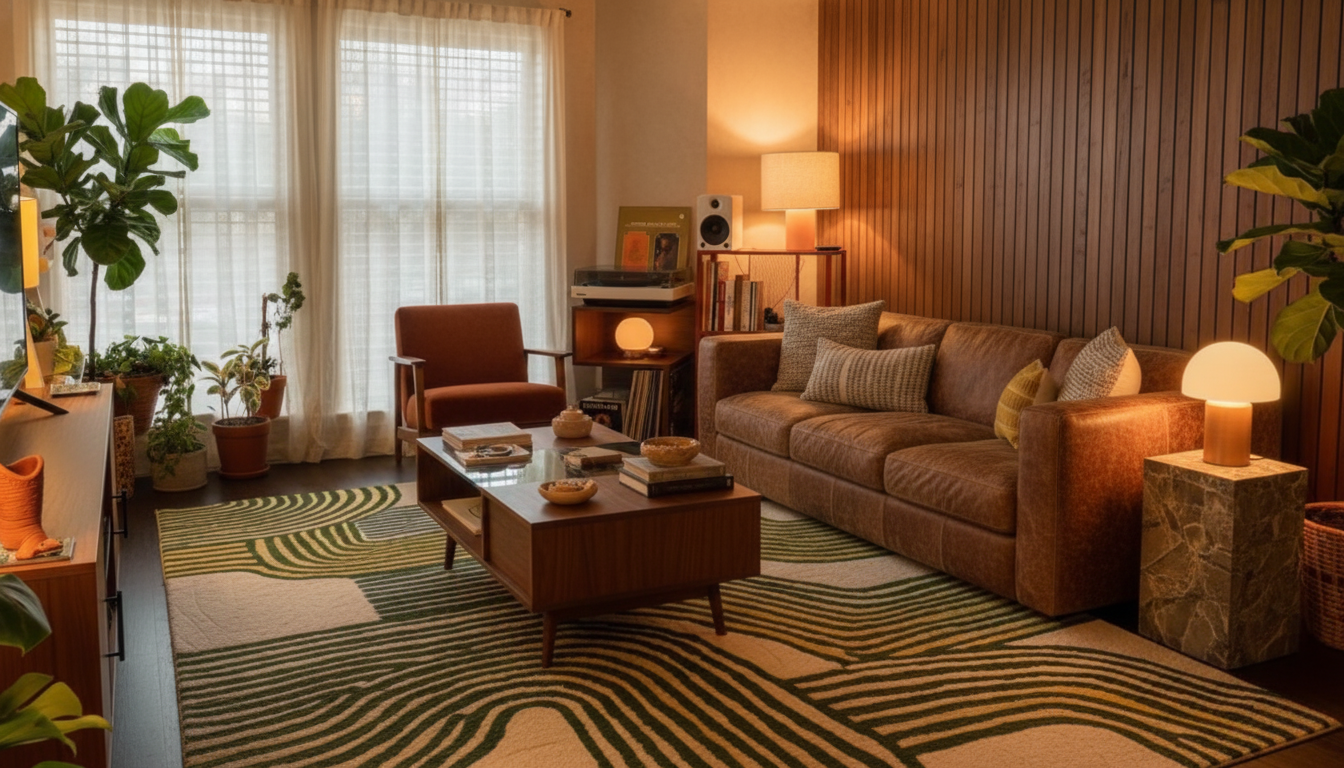
Lighting might be the most underestimated element in home design. We can spend hours debating sofa shapes, paint colors, and the perfect rug, yet light is the quiet force that decides how all of those choices are experienced. It shapes mood before we even register it consciously. It softens edges, deepens shadows, and gives materials their true character. Wood feels warmer under a gentle glow. Stone looks calmer. Even the air in a room seems to shift when the lighting is right. Thoughtful lighting does not simply illuminate a home, it gives it rhythm, emotion, and a sense of life.
The foundation of good lighting starts with feeling rather than fixtures. Before choosing a lamp or installing a pendant, it helps to ask how you want a space to feel when you walk into it. A kitchen usually benefits from clarity and brightness, a sense of alertness that supports movement and focus. A living room often needs flexibility, able to feel open and energizing during the day, then soft and welcoming in the evening. Bedrooms ask for intimacy, light that feels almost like a whisper rather than a statement. Each room has its own emotional purpose, and lighting is the language that expresses it.
One of the simplest ways to approach lighting is to think in layers. The first layer is general lighting, sometimes called ambient lighting. This is the main light source that fills the room and allows you to move around comfortably. It might come from a ceiling fixture, recessed lights, or even a large floor lamp. This layer sets the base level of brightness and ensures the space is functional.
The second layer is task lighting. This is more focused and practical, designed to support specific activities. Reading lamps beside the bed or sofa, under-cabinet lighting in the kitchen, or a desk lamp in a home office all fall into this category. Task lighting reduces eye strain and makes daily activities easier, but it can also add a sense of purpose and structure to a room.
The third layer is accent or ambient lighting, the layer that brings personality and mood. This includes table lamps, wall sconces, LED strips, and even candles. Accent lighting highlights textures, artwork, or architectural details, and creates depth by introducing pockets of light and shadow. When these three layers work together, a space feels complete, even if the furnishings are simple.
Natural light is the most dynamic layer of all. It changes throughout the day, shifting in color, angle, and intensity. Morning light feels fresh and energizing, while late afternoon light can feel golden and calm. If your home has good access to natural light, let it take the lead. Keep window treatments light and minimal so daylight can move freely through the space. Sheer curtains, linen panels, or simple blinds allow privacy without blocking the sun. Mirrors placed thoughtfully can help bounce light into darker corners, making rooms feel larger and more open.
Not every home is blessed with abundant daylight, but artificial lighting can still create warmth and comfort. Choosing the right bulbs makes a big difference. Soft, warm light mimics the gentle glow of late afternoon or early evening, helping a space feel relaxed rather than harsh. Instead of relying on a single bright ceiling light, spreading light across the room creates a more balanced and inviting atmosphere.
Light fixtures themselves deserve attention as design elements. They are not just tools, but objects that contribute to the visual story of a home. A statement pendant over a dining table can anchor the room and become a focal point. Wall sconces beside a bed free up space on bedside tables while adding a sense of symmetry and calm. Floor lamps can introduce height and shape, filling empty corners with intention. Fixtures are like jewelry for a room, small details that elevate the whole.
Mixing materials adds depth and interest. Brass and matte black feel refined and modern. Glass brings lightness and elegance. Rattan, wood, and linen introduce warmth and an organic quality. There is no need for everything to match perfectly. In fact, slight contrast often makes a space feel more layered and lived-in. What matters most is that each piece feels considered and purposeful.
Dimmers are one of the most transformative lighting choices you can make. They offer control, allowing you to adjust brightness based on the time of day or your mood. Bright light in the morning can help you feel awake and focused, while a dimmed glow in the evening signals the body to slow down. Dimmers turn a single light source into many, adapting the room to you rather than forcing you into one fixed setting.
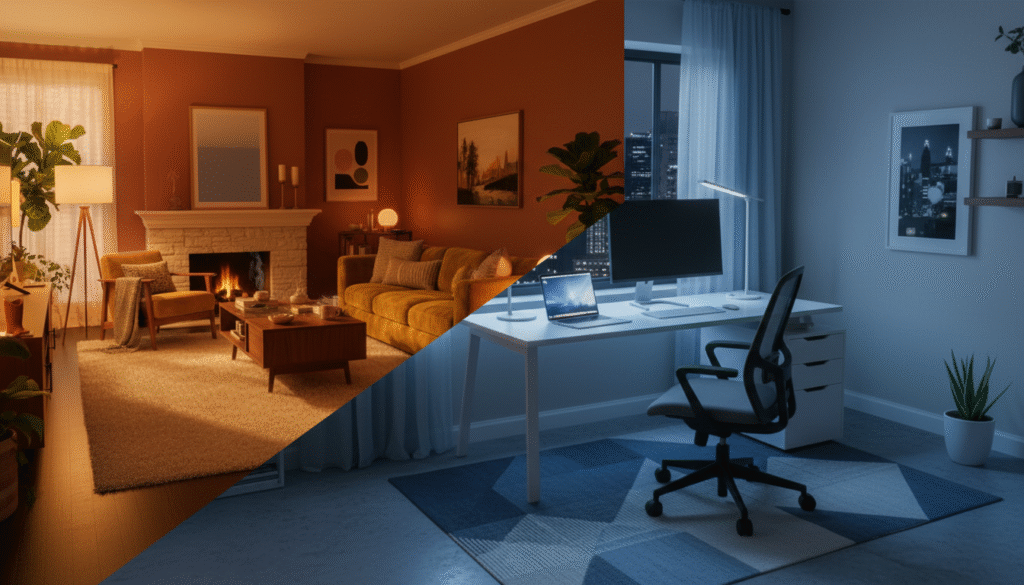
Color temperature is another detail that quietly shapes how a space feels. Cooler light tends to feel crisp and energizing, which can work well in kitchens, bathrooms, or work areas where focus is important. Warmer light feels softer and more inviting, making it ideal for living rooms and bedrooms. Balancing these tones throughout the home supports both productivity and rest, creating a natural flow from day to night.
Beyond function and aesthetics, lighting carries an emotional layer that is harder to define but deeply felt. The glow of a table lamp on a rainy evening, the soft flicker of candles during dinner, or the gentle twinkle of string lights on a balcony all create moments. These moments turn a house into a home. They invite pause, comfort, and connection. Perfect symmetry or strict design rules matter far less than how a space makes you feel when the lights are on and the day is winding down.
If you are just beginning to rethink your lighting, start small. Add a floor lamp next to your favorite chair. Swap a cool bulb for a warmer one. Turn off the overhead light in the evening and rely on lamps instead. These small changes can dramatically alter how you experience your space. You may notice mornings feel clearer and more energizing, while nights feel calmer and more restorative.
Lighting is emotion disguised as design. It shapes how we move, how we rest, and how we connect with our surroundings. When it is done thoughtfully, everything else in a room falls into place. Furniture feels more intentional. Colors feel richer. The space feels alive, even long after the sun has set.