



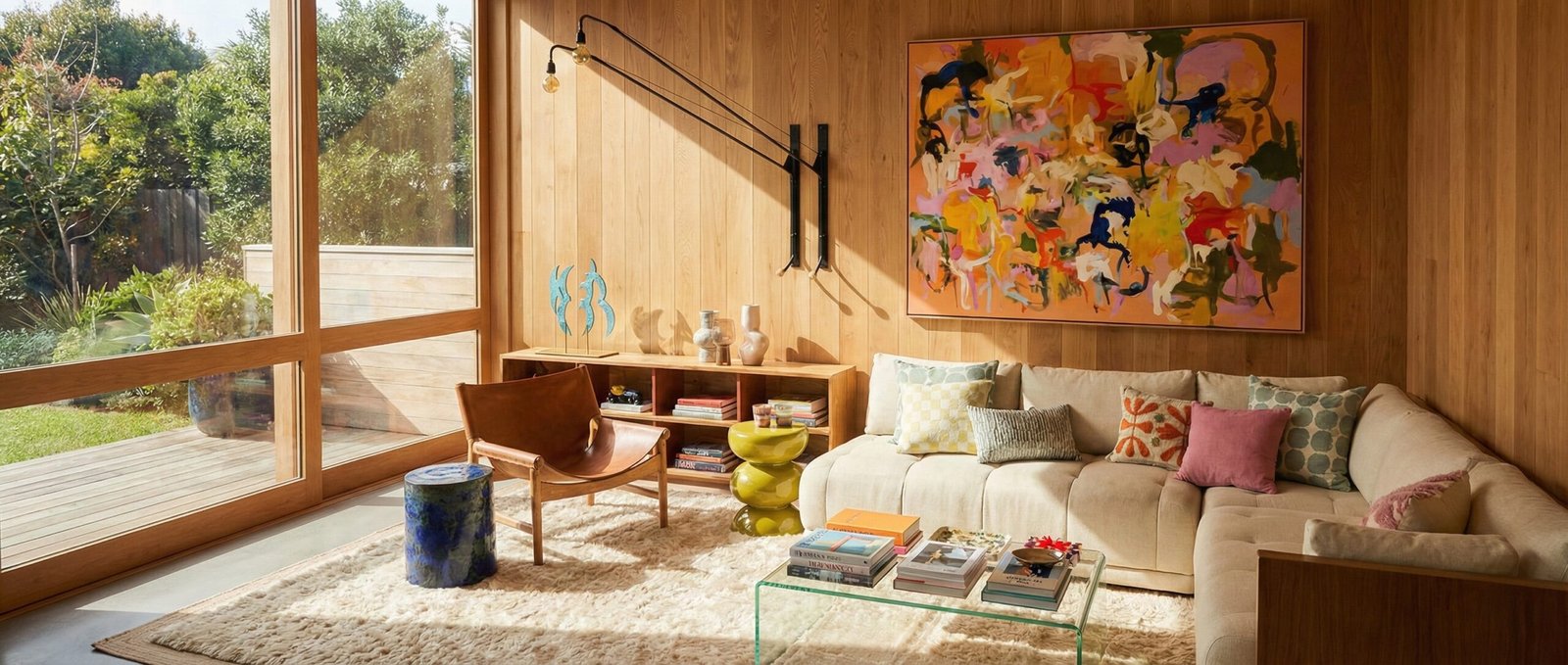
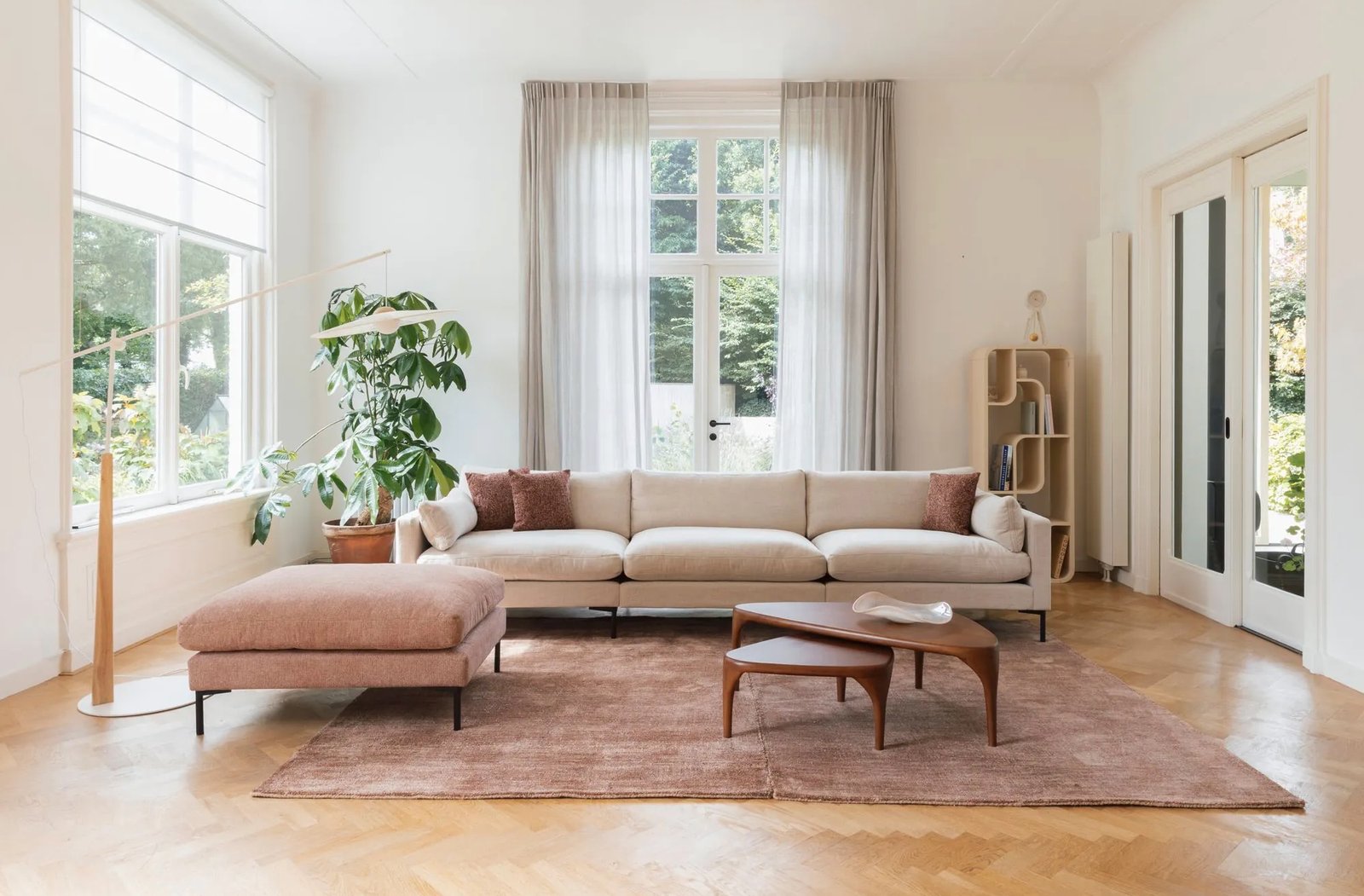
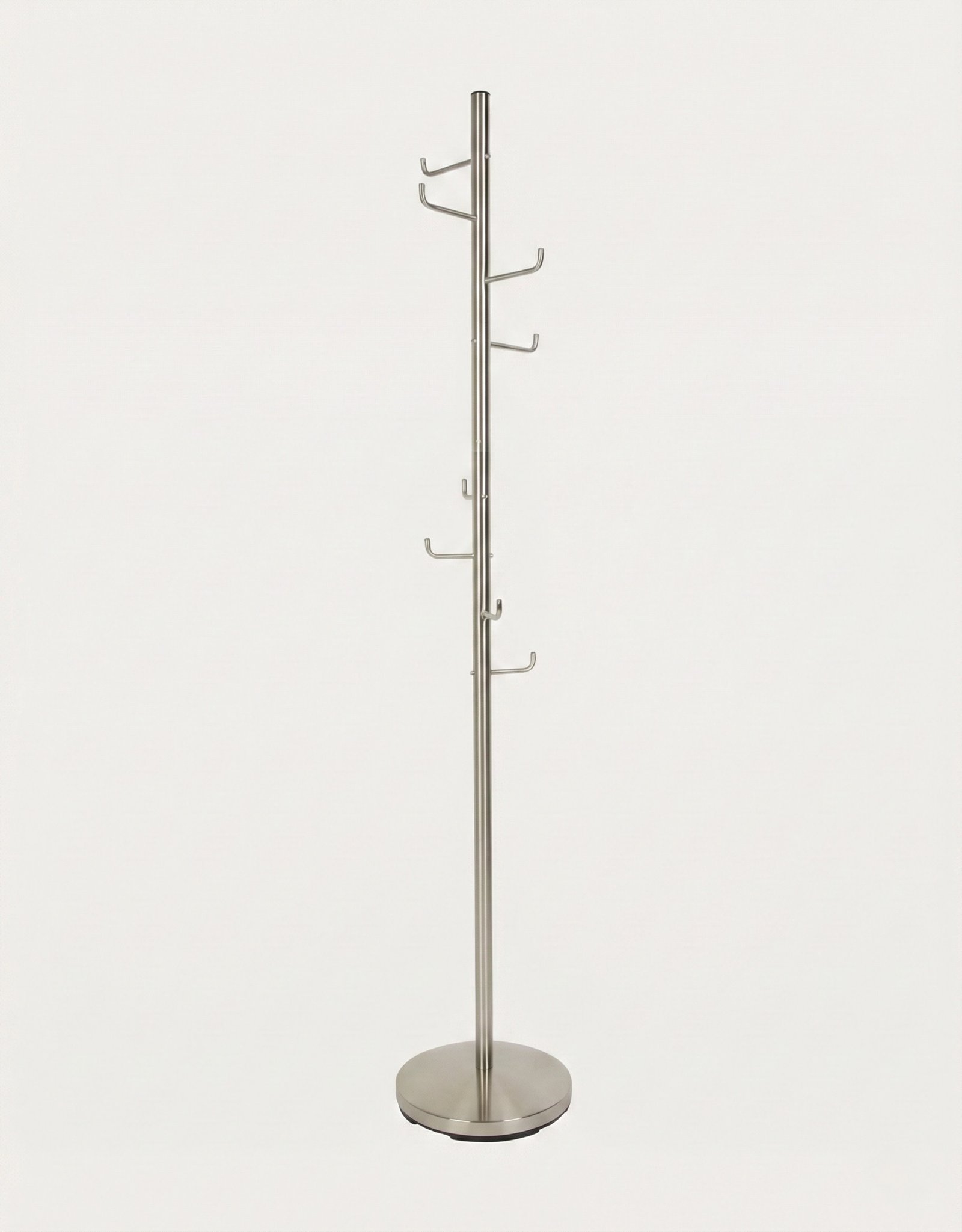
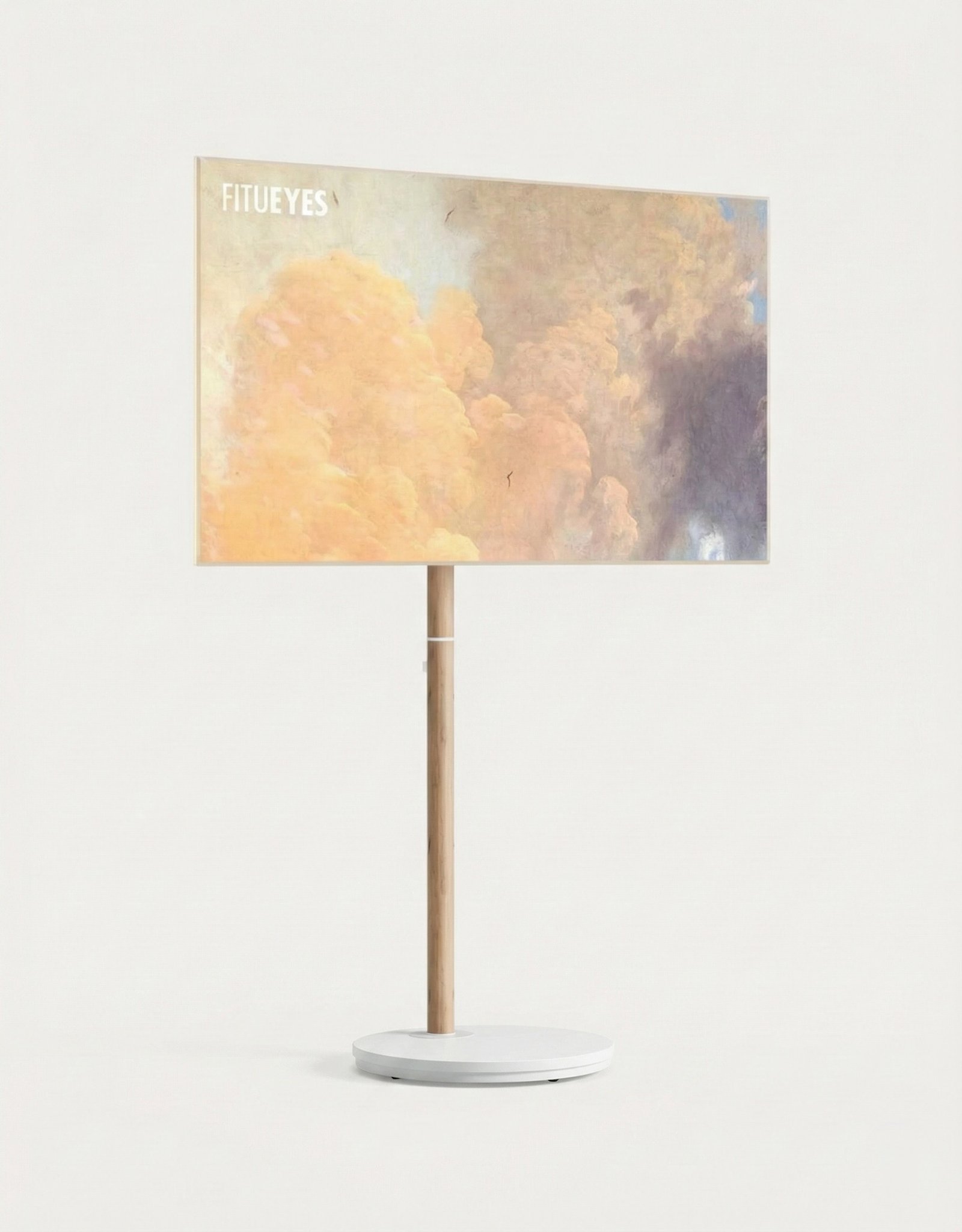
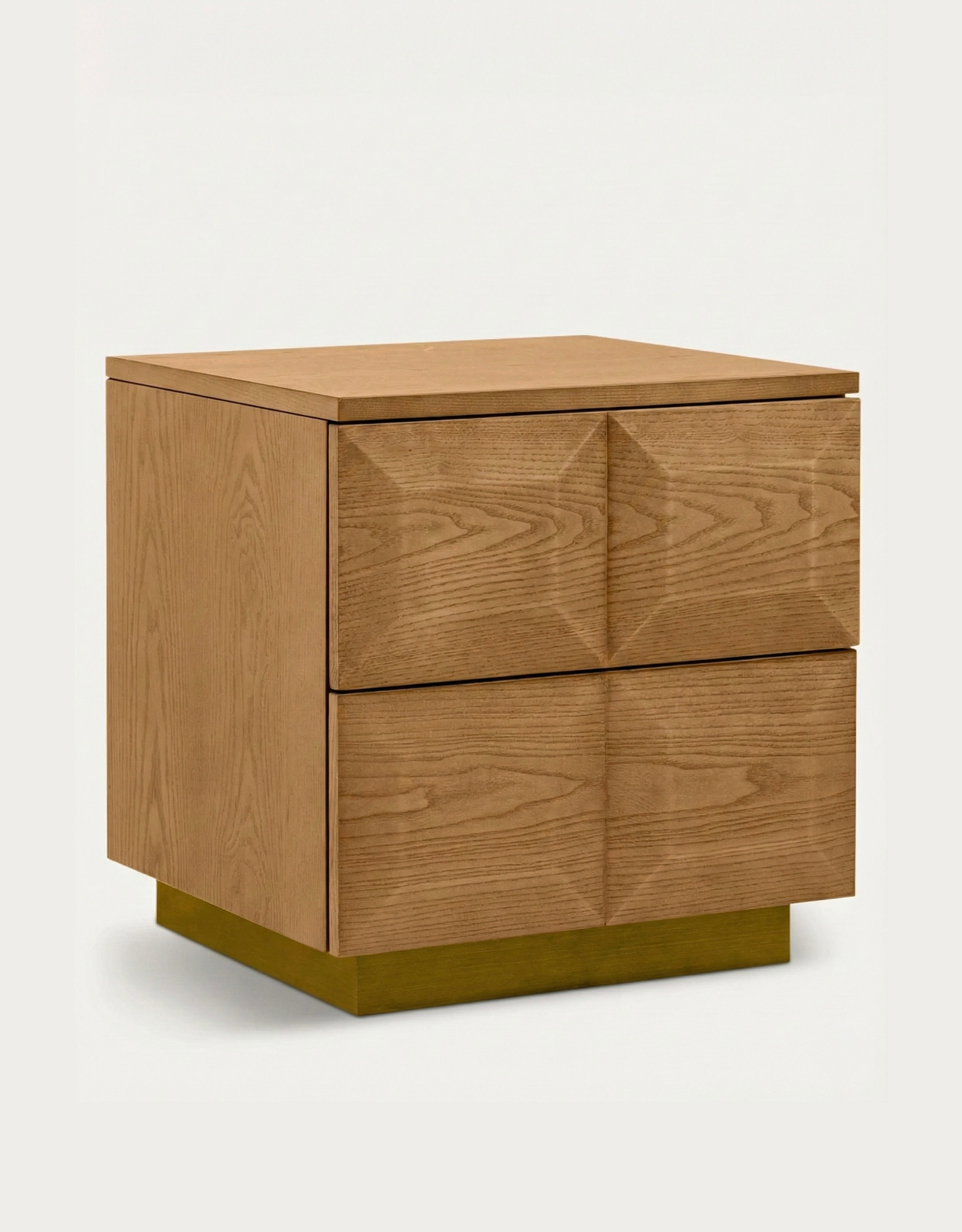
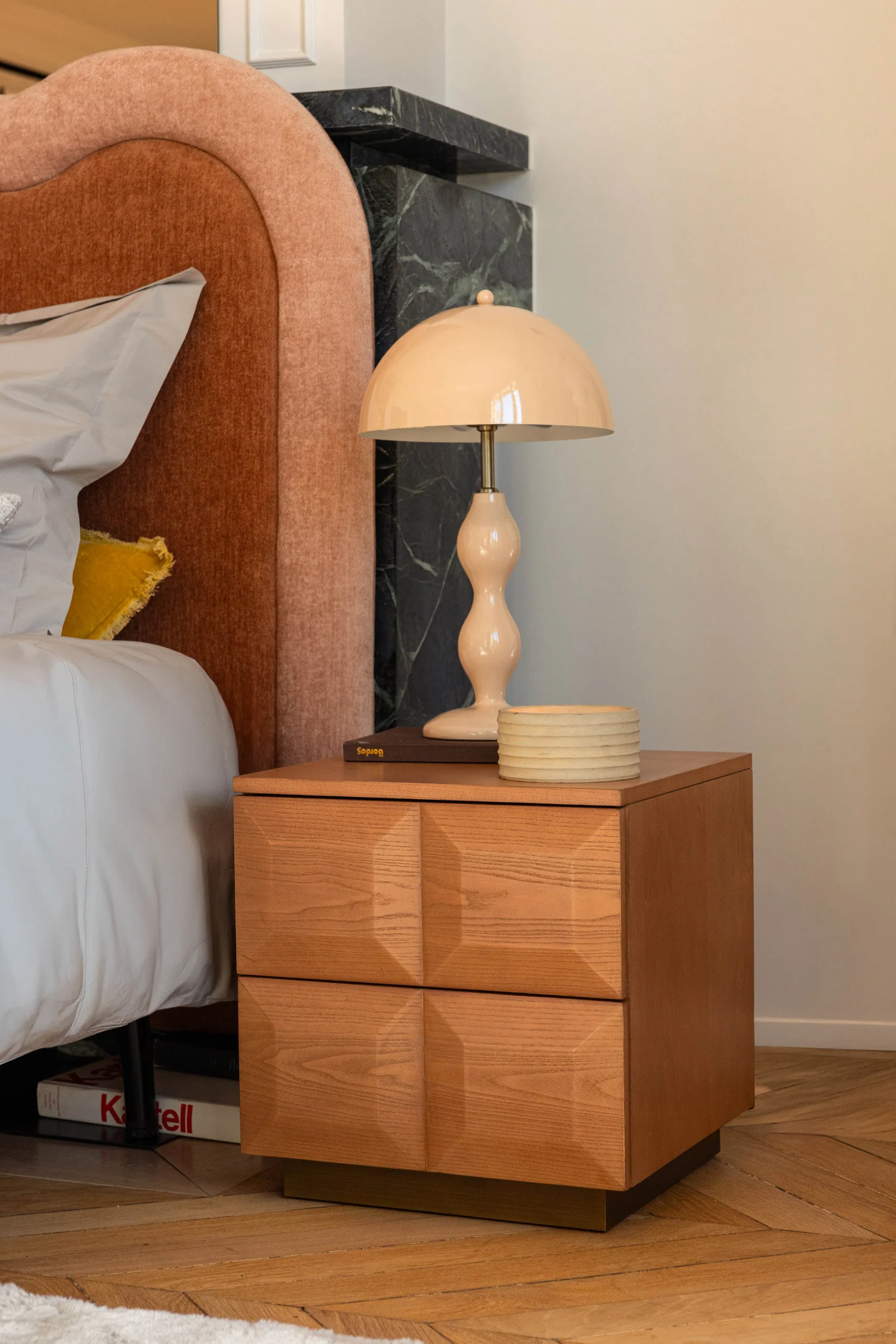
Styling your home with minimal décor and furniture creates a calm, intentional environment where each piece has room to shine. Instead of visual clutter competing for attention, thoughtful design choices guide the atmosphere of the space.
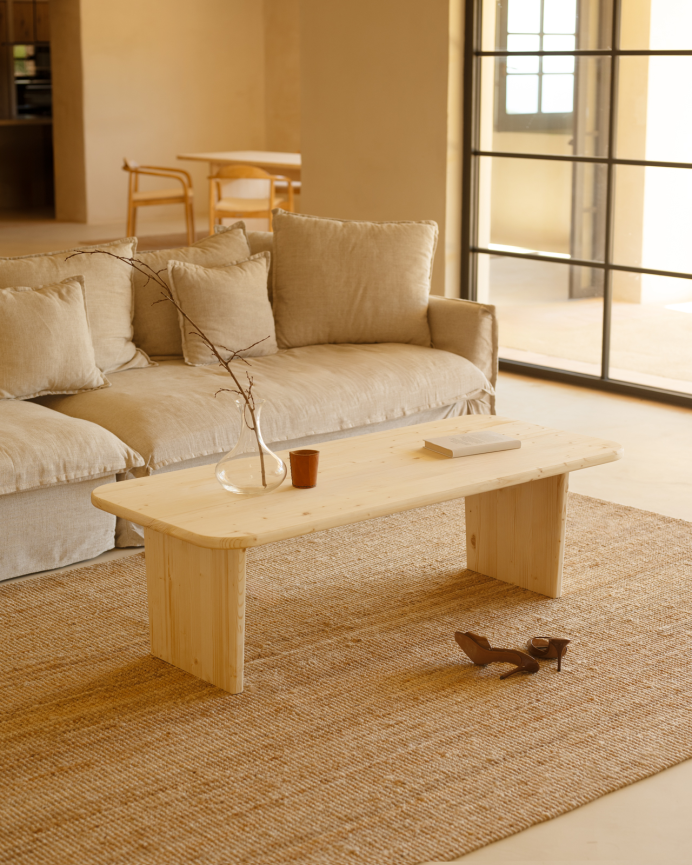
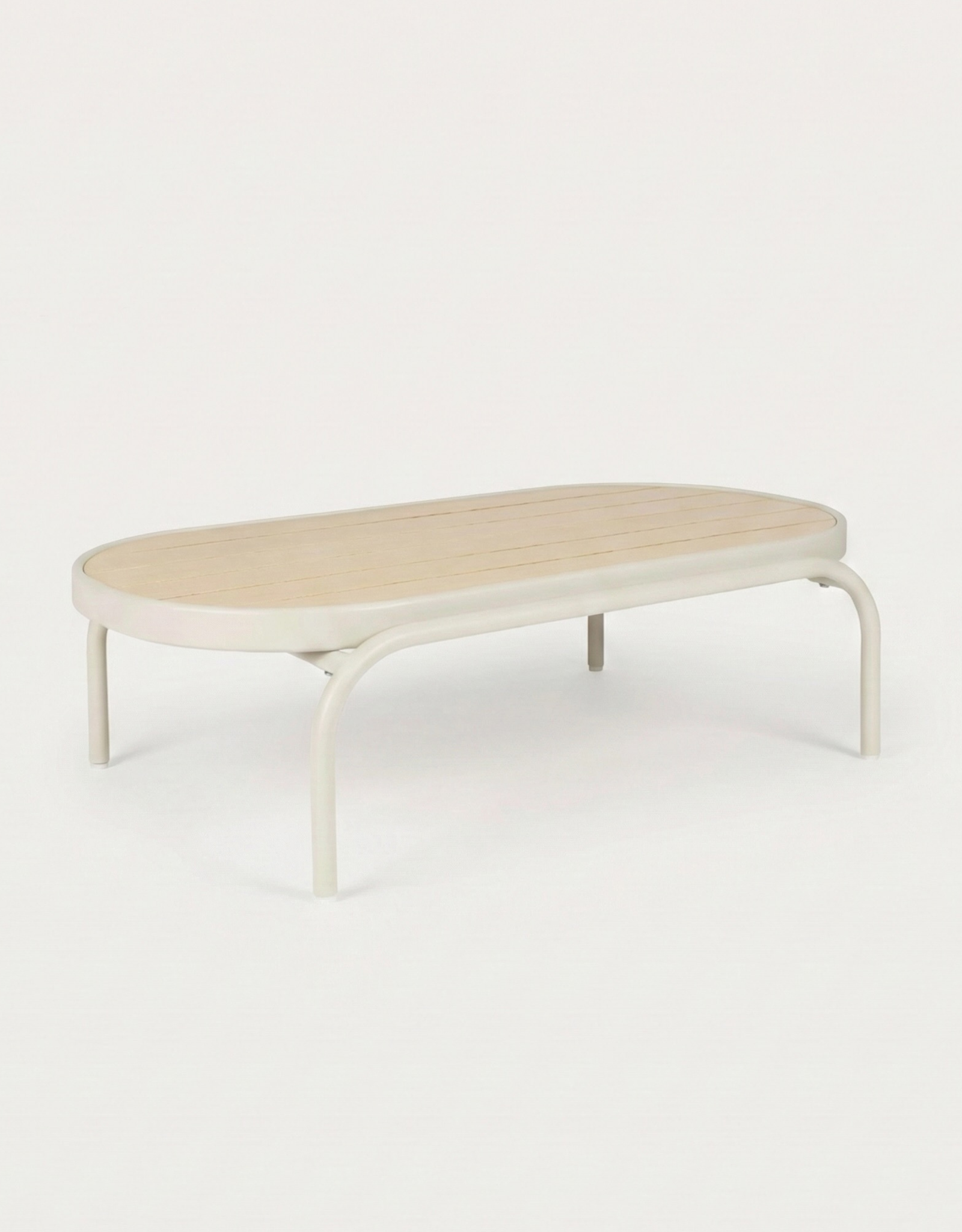
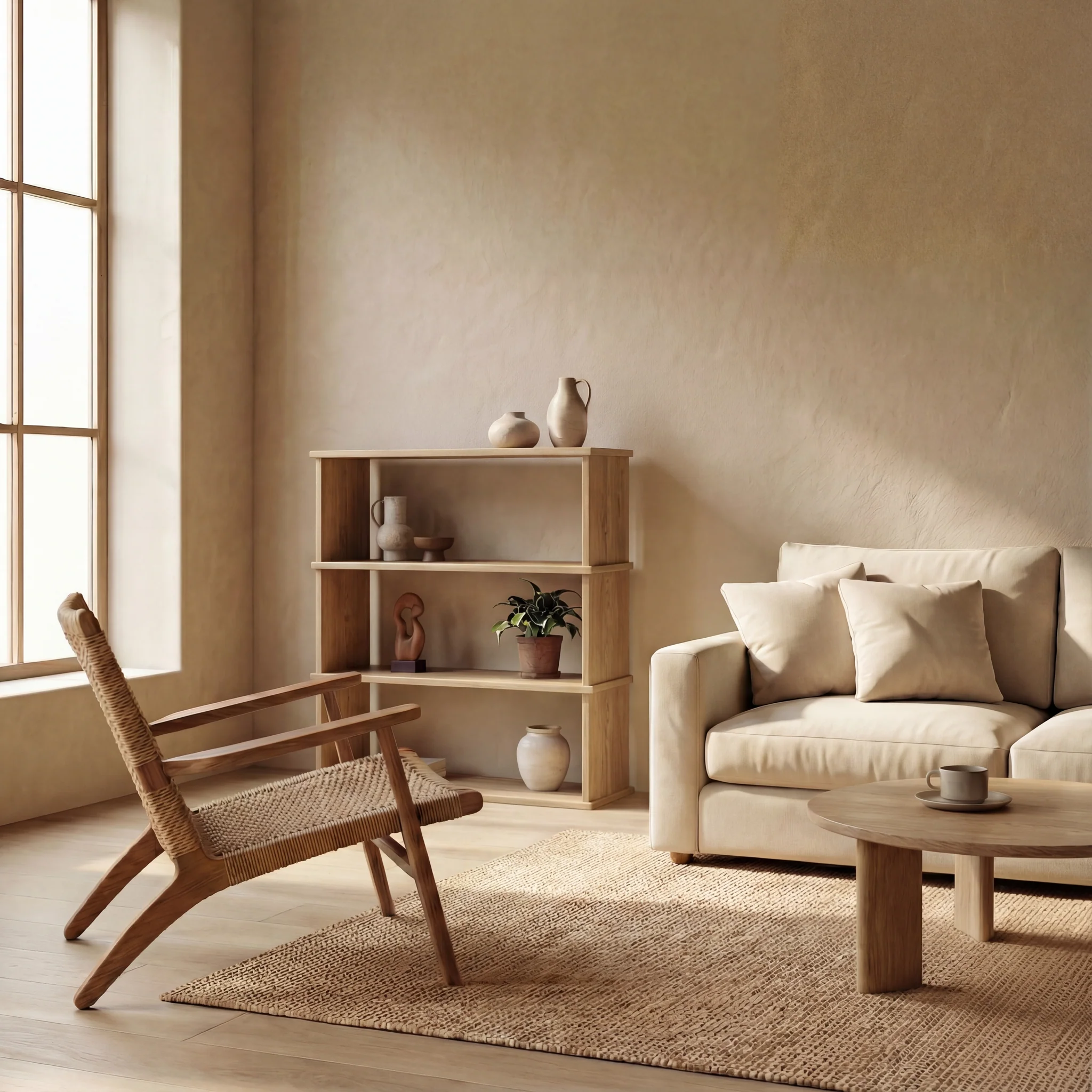
It often starts with a neutral foundation. Soft whites, warm beiges, muted greys, or earthy tones create a serene backdrop that instantly makes a room feel cohesive. From there, furniture with simple silhouettes and sleek finishes carries the design forward. Low-profile sofas, streamlined coffee tables, and sculptural lighting help maintain a sense of quiet structure. Each item should feel purposeful, balancing beauty with functionality.
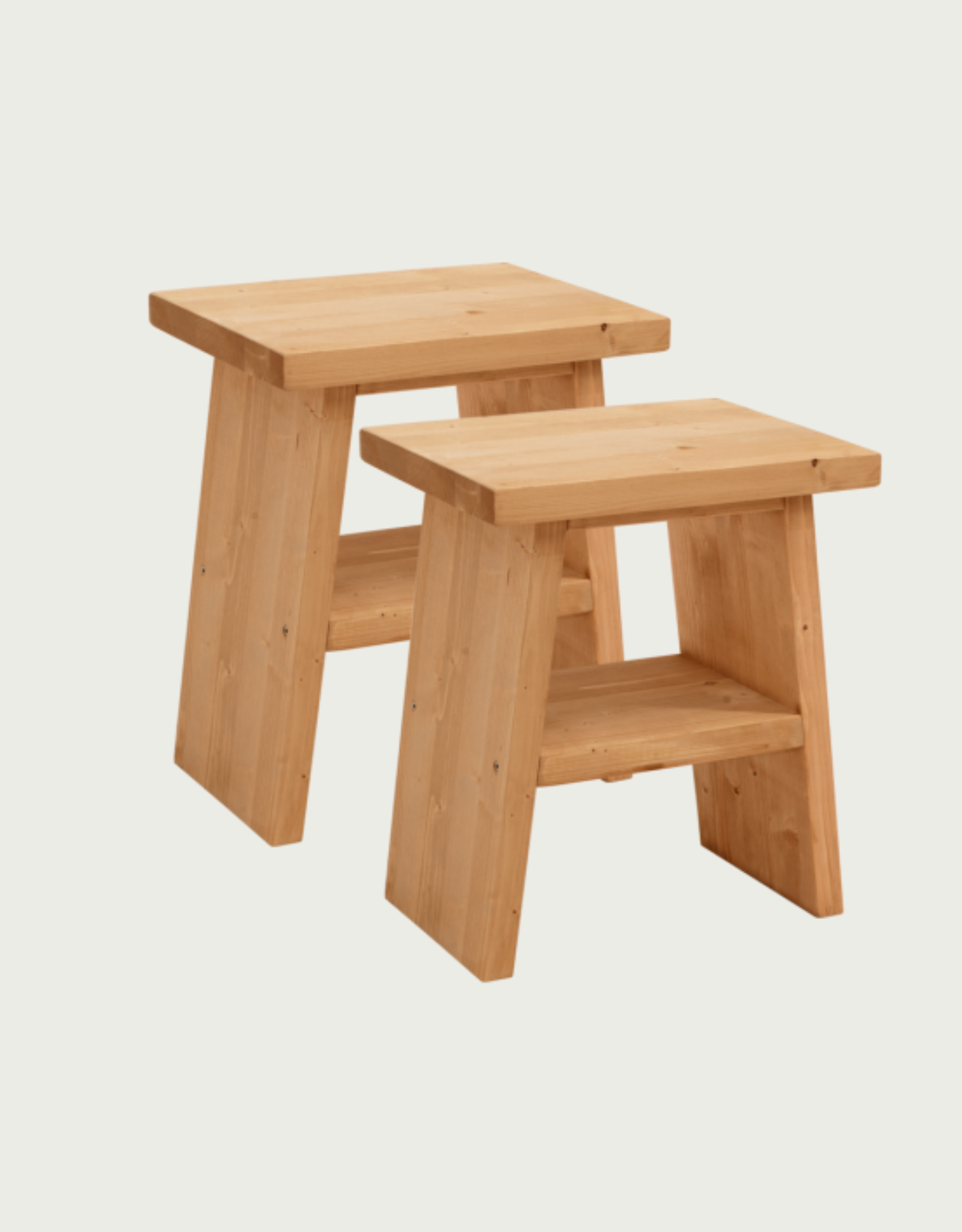
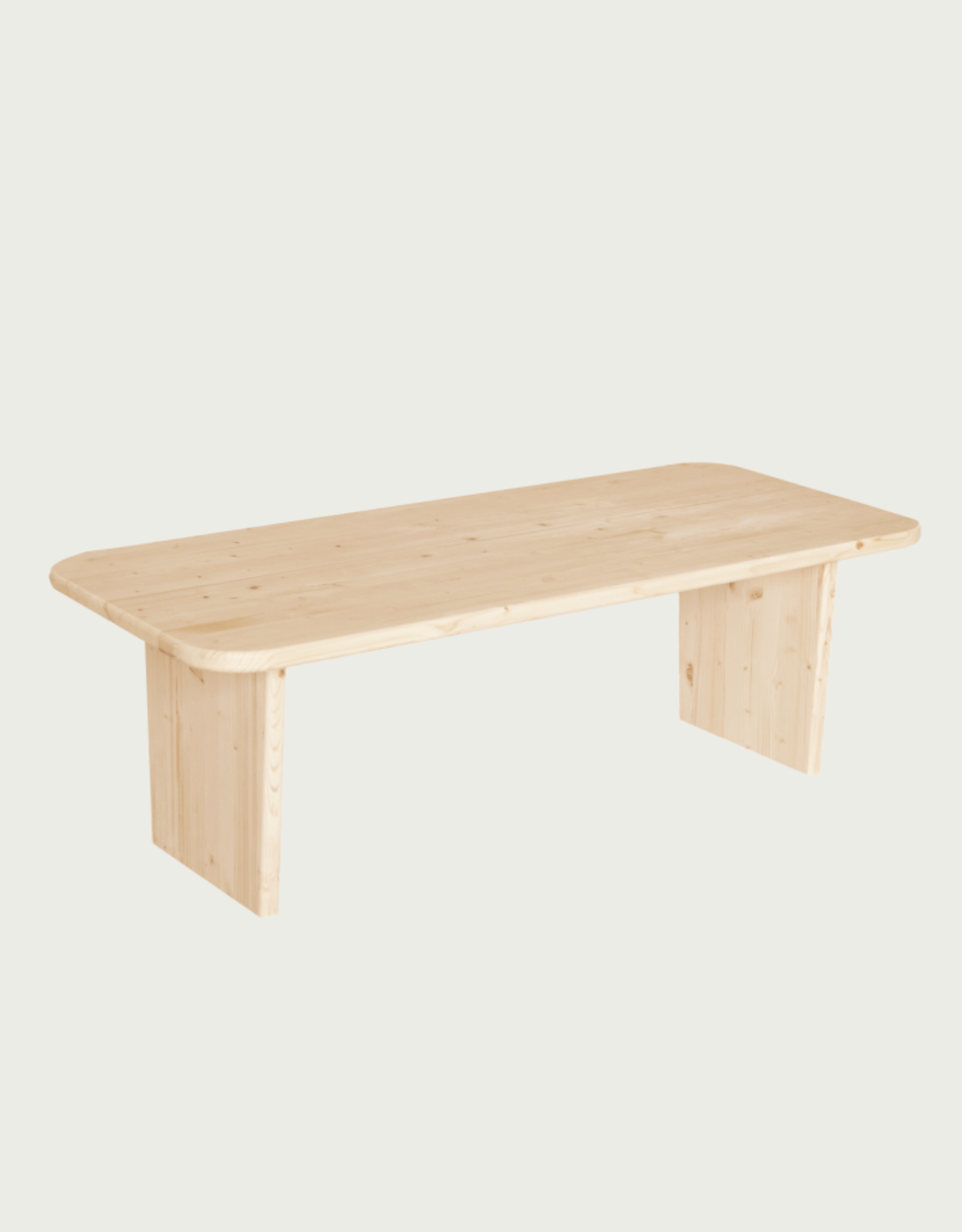
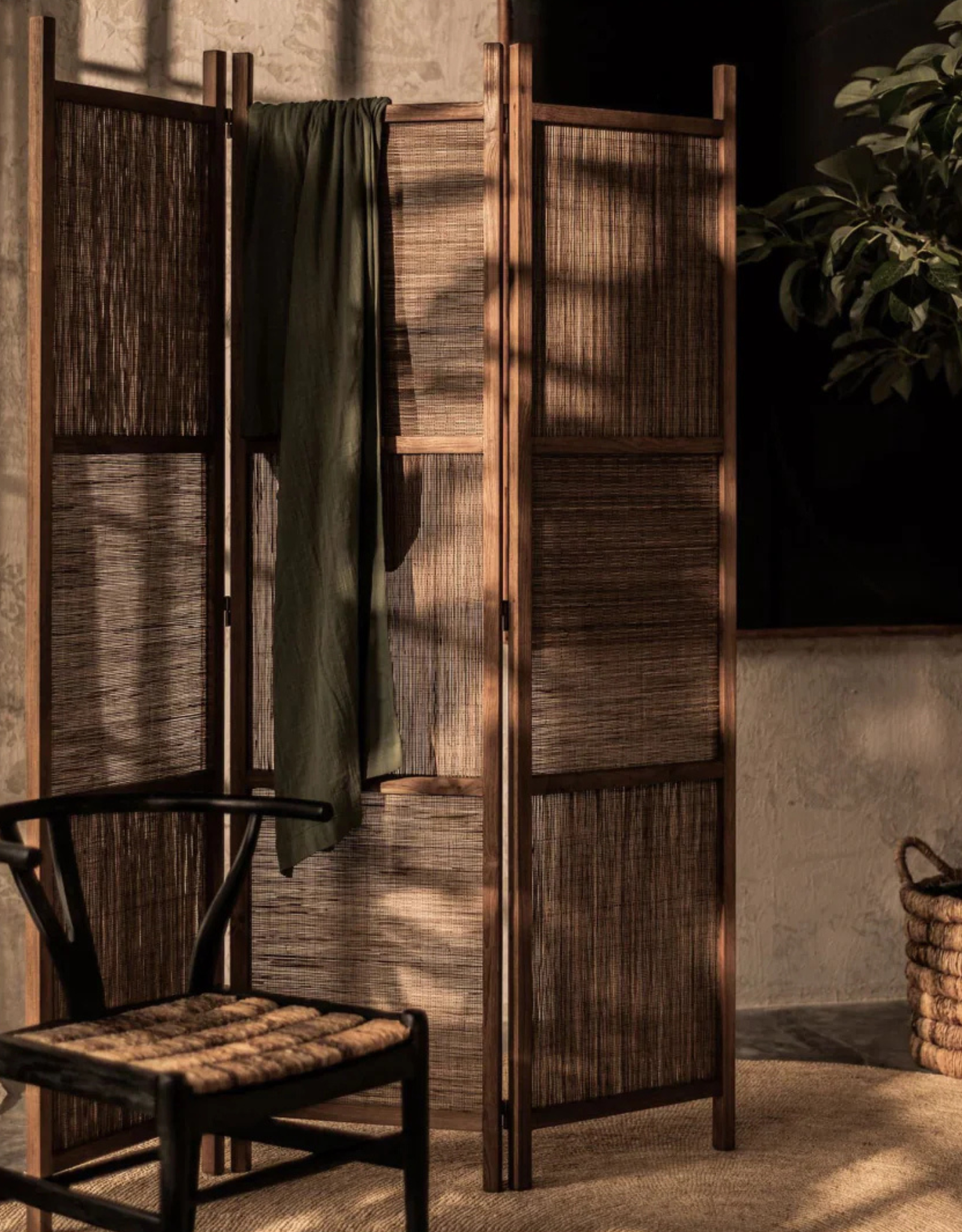
Texture becomes especially important in minimalist interiors. When visual noise is reduced, subtle details take center stage. A linen throw draped over a sofa, a matte ceramic vase on a table, or a natural wood bench introduces depth without overwhelming the room. These layered textures keep the space warm and inviting rather than cold or sterile.
Negative space is another powerful design tool. There’s no need to fill every corner. Allowing breathing room around furniture and décor creates balance and emphasizes the design itself. A single oversized artwork can carry more impact than a crowded gallery wall, and one bold accent chair can define a space better than several smaller pieces.
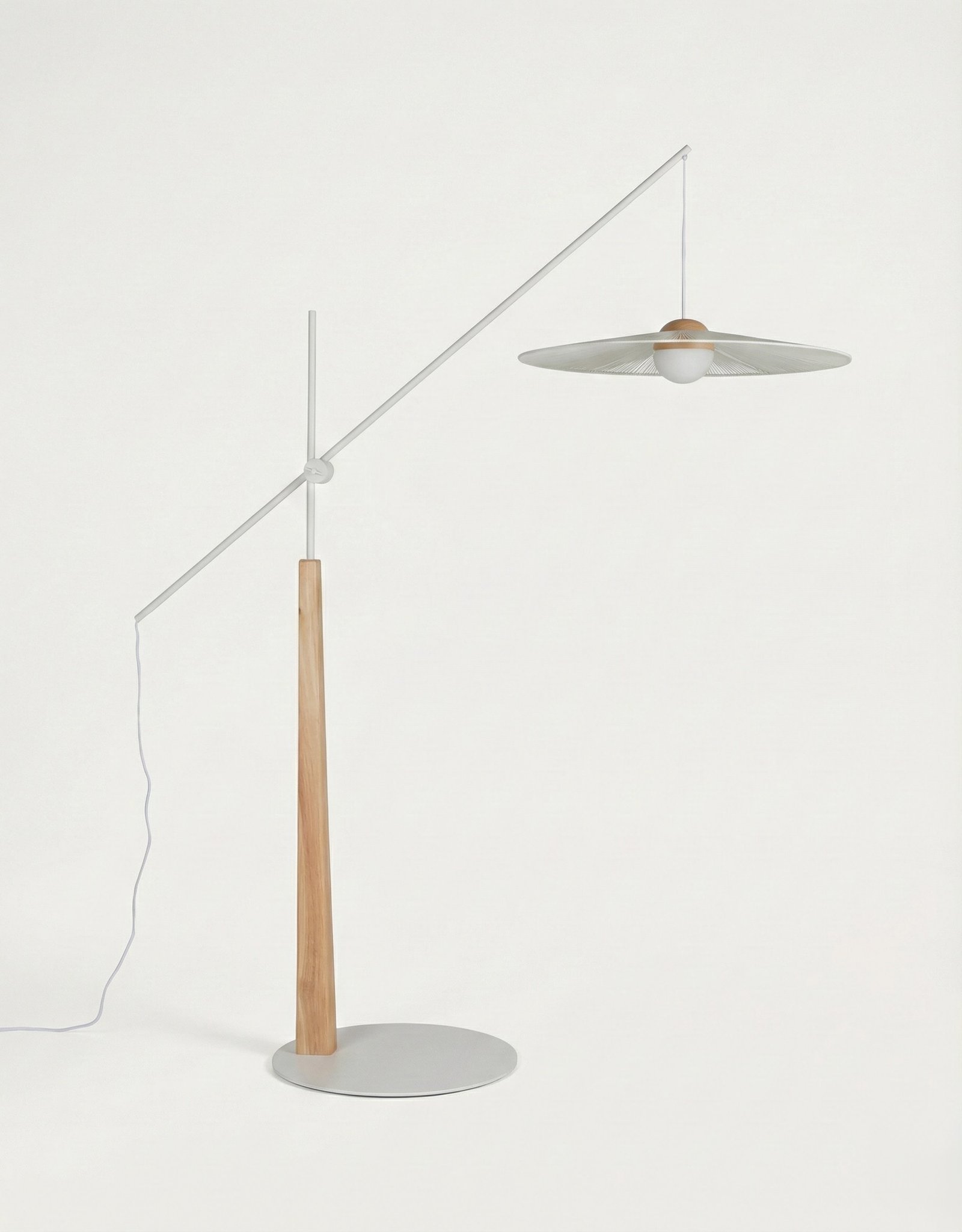
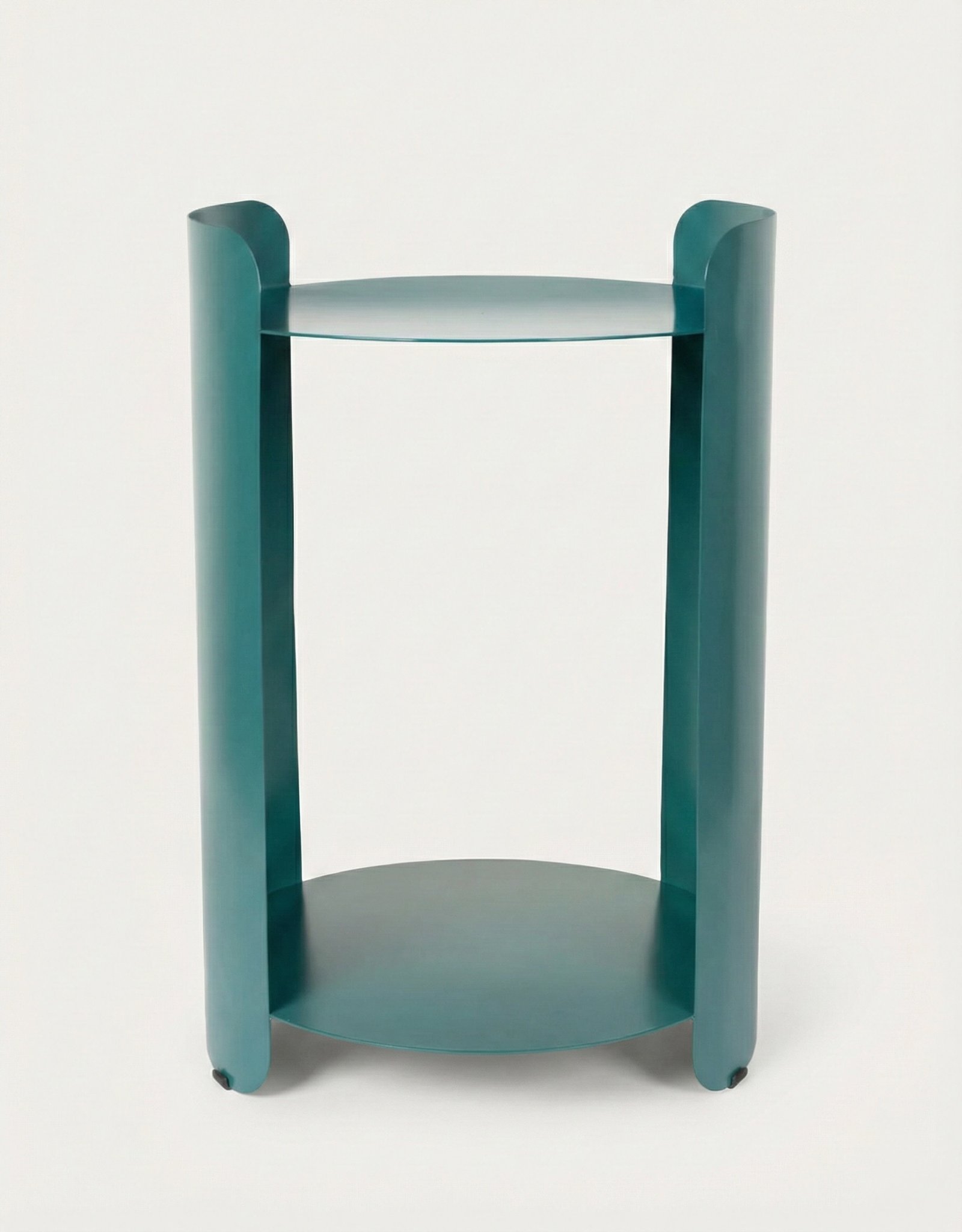
Lighting also plays an essential role. Soft, warm illumination enhances the clean aesthetic while keeping the room comfortable and livable. Sculptural floor lamps or pendant lights often double as functional art, reinforcing the sleek atmosphere while serving a practical purpose.
When these carefully curated pieces come together, the result is a home that feels intentional rather than simply decorated. Minimal interiors may appear effortless, but they’re shaped by thoughtful decisions. Each object earns its place.
Instead of constantly adding new décor, focus on refining what already exists. Replace busy patterns with subtle textures, trade bulky furniture for streamlined alternatives, and prioritize quality over quantity. Over time, this approach creates a space that feels cohesive and balanced.
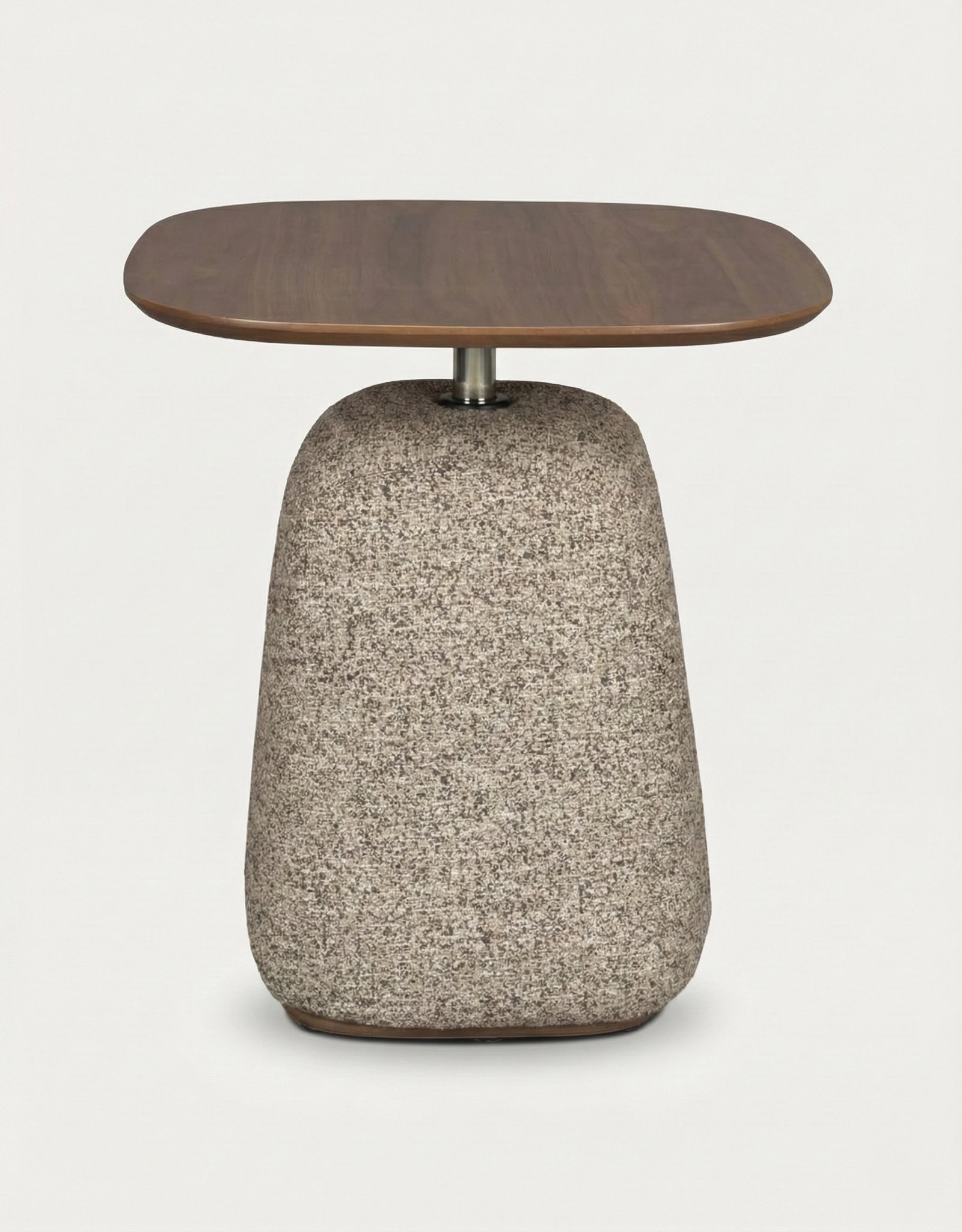
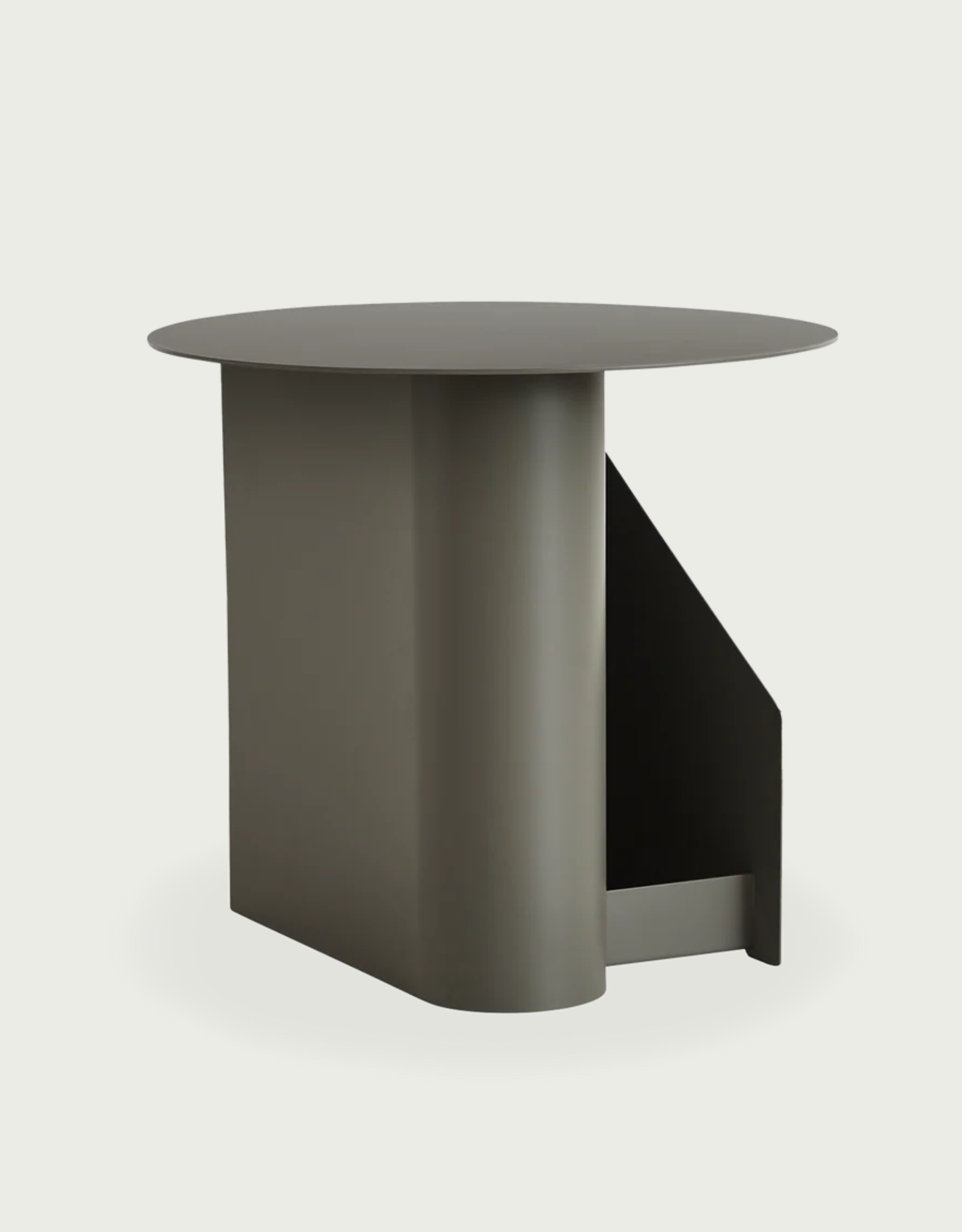
Minimal styling also adapts beautifully. Because the foundation remains neutral and uncluttered, a single new piece — a sculptural lamp, a modern side table, or a textured cushion — can refresh the entire room without disrupting the overall aesthetic. This flexibility makes minimalism both practical and sustainable.
Most importantly, a pared-back home can become a quiet retreat. In a world that often feels overstimulating, a calm, thoughtful space offers clarity and ease. By choosing less, but choosing well, you create a home that feels balanced, modern, and effortlessly refined.