



Minimalist Home Decor Ideas
Written By Julian Heisler
Minimalism is one of the most misunderstood design philosophies. Say the word out loud and people often picture empty white rooms, echoing floors, furniture that looks afraid of comfort, or homes staged for photographs rather than lived in. But real minimalism isn’t about stripping life away. It’s about editing with care. It’s about choosing clarity over chaos, intention over impulse, and calm over constant visual noise. A well done minimalist home doesn’t feel cold. It feels like relief.
At its core, minimalist decorating is about space. Not just physical space, but mental space too. When you walk into a room that isn’t shouting for your attention, something subtle happens. Your shoulders drop. Your thoughts slow. Your eyes stop darting from object to object. The room gives you permission to exist without performing. In that sense, minimalism is less of a style and more of a feeling.
When a space is pared back, what remains starts to matter more. A linen curtain isn’t just a curtain anymore. You notice how it moves when the window is open, how it filters the light rather than blocking it. A wooden chair is about its curve, its grain, the way it feels when you sit down at the end of a long day. Morning light across an uncluttered floor becomes a daily ritual rather than a background detail. Minimalism shifts your attention from quantity to quality, from accumulation to appreciation.
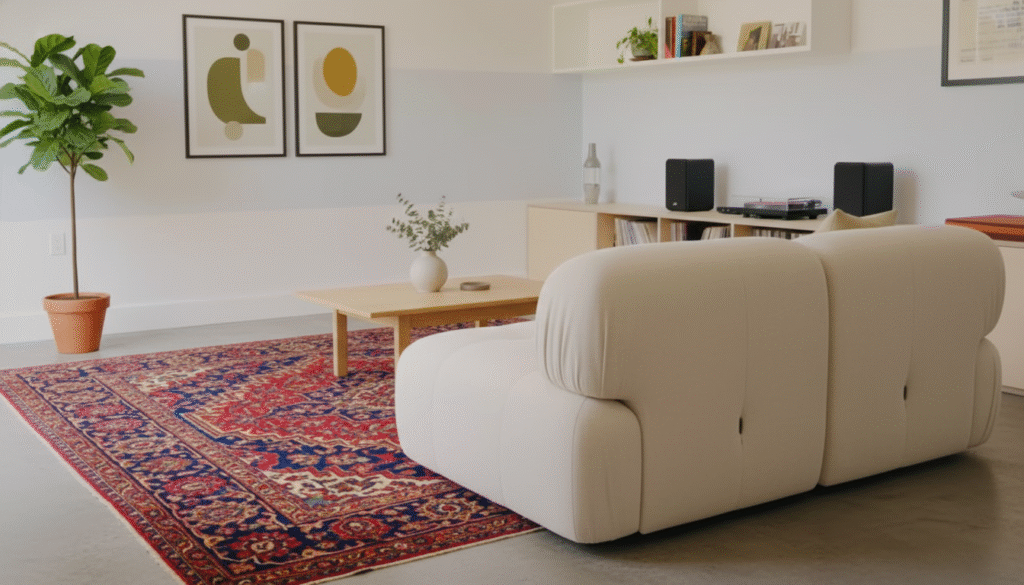
This doesn’t mean removing personality. In fact, minimalism can make personal details feel stronger. When a room isn’t crowded, the things you choose to keep carry more weight. A single artwork can hold a wall. One sculptural object can define a shelf. Your home starts to tell a clearer story, not because there’s more to look at, but because there’s less competing for attention.
One of the biggest myths about minimalism is that it has to be stark. It doesn’t. A minimalist home can be warm, layered, and deeply human. The difference lies in restraint. Instead of adding endlessly, you curate carefully. You stop asking “What can I put here?” and start asking “What do I want this space to feel like?” If something doesn’t serve a purpose or evoke calm, comfort, or connection, it probably doesn’t belong. That doesn’t mean living without softness or joy. It means choosing them deliberately.
Color plays a quiet but powerful role in minimalist interiors. Soft neutrals, off whites, warm greys, muted taupes, and natural wood tones form a foundation that feels cohesive and grounded. These shades don’t demand attention. They support the space instead. Think of color as the atmosphere rather than the focal point. It should unify, not compete. Instead of bold contrasts, minimalist homes often rely on subtle shifts in tone. A slightly darker wall against a pale floor. A creamy sofa layered with sand and oat coloured cushions.
Texture is where minimalism really comes alive. Without loud colours or busy patterns, texture adds depth and interest. A wool throw draped over a cotton sofa. A matte ceramic vase sitting on a smooth timber table. Raw linen next to polished stone. These combinations create richness without visual noise. The space feels layered, but never cluttered. Your eyes move slowly, taking things in rather than being overwhelmed.
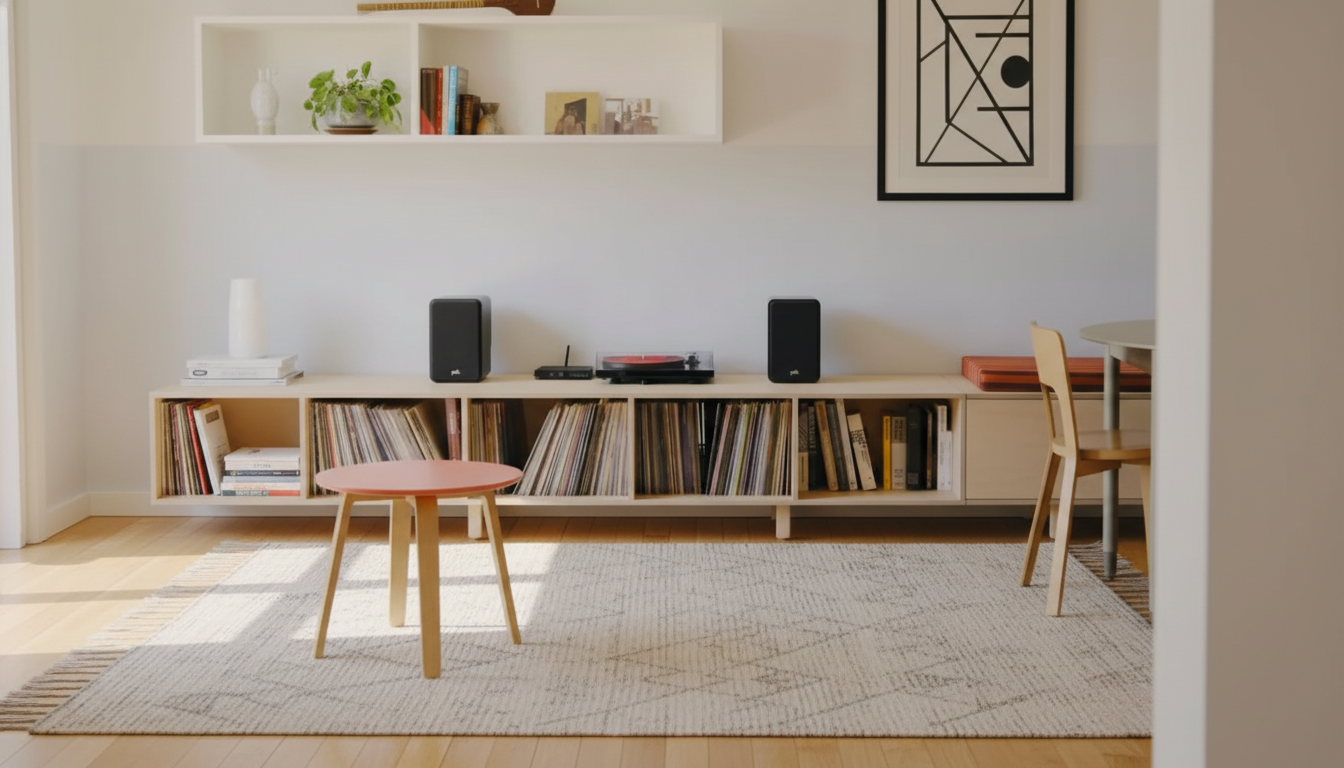
Furniture choice is crucial. In minimalist spaces, furniture often has clean lines, simple silhouettes, and strong proportions. Pieces should feel balanced, light enough to let the room breathe, but substantial enough to ground it. Low profile sofas help ceilings feel higher. Simple wooden tables anchor living areas without overpowering them. Open shelving keeps things airy while still offering function. The key is to avoid overfilling. Negative space is not empty space. It’s an active space. It gives your home rhythm and allows each piece to exist comfortably.
Resisting the urge to fill every corner is one of the hardest parts of minimalist decorating. Many of us are conditioned to believe that a room isn’t finished unless every surface is styled. But leaving space is what makes a minimalist home feel intentional rather than sparse. Space between objects gives your eyes somewhere to rest. It makes your home feel calmer and often larger than it really is.
Lighting plays an equally important role. Natural light is the ultimate minimalist luxury. Let it in wherever possible. Avoid heavy window treatments that block it unnecessarily. When the sun goes down, aim for softness rather than brightness. Harsh overhead lighting can flatten a space and break the sense of calm. Instead, layer your lighting. A floor lamp near a chair creates intimacy. A small table lamp adds warmth. Candles introduce movement and life. Light should glow, not glare.
Decor in minimalist homes works best when it’s personal but quiet. One piece of art that stirs something in you. A sculptural object picked up on a trip. A small stack of books you actually read. These moments feel intentional because they’re not competing with dozens of others. Minimalist spaces often feel slightly unfinished, and that’s part of their charm. They leave room for change, for growth, for life to happen. Perfection isn’t the goal. Presence is.
If you’re looking to bring more minimalism into your home, here are a few simple ideas to start with:
Choose multi purpose furniture to reduce visual clutter. A bench with hidden storage, a coffee table with drawers, or a bed with built in compartments can hold what you need without advertising it.
Prioritise natural materials. Linen, wool, jute, clay, stone, and wood introduce warmth and texture that synthetic materials often lack. They age beautifully and add quiet character.
Keep surfaces mostly clear. Let countertops, side tables, and shelves breathe. Then choose one or two objects that genuinely make you smile. A handmade bowl, a framed photo, a candle you actually light.
Soften natural light with lightweight curtains. Sheer or linen drapes blur harsh lines and add movement without heaviness.
Be intentional with greenery. One large plant can have more impact than several small ones. Choose plants with sculptural shapes and let them become part of the architecture of the room.
Ultimately, minimalist decorating isn’t about rules or rigid formulas. It’s about rhythm. It’s about finding the balance point where everything in your space has room to exist, and so do you. A minimalist home should feel calm but alive, intentional but easy, simple but never sterile. It’s a way of living that values stillness, clarity, and the quiet joy of being surrounded only by what you truly love