



gemini generated image anlp5uanlp5uanlp

Subtle Yet Impactful: Decorating with Colour Through Accent Pieces and Objects

Written by Julian Heisler

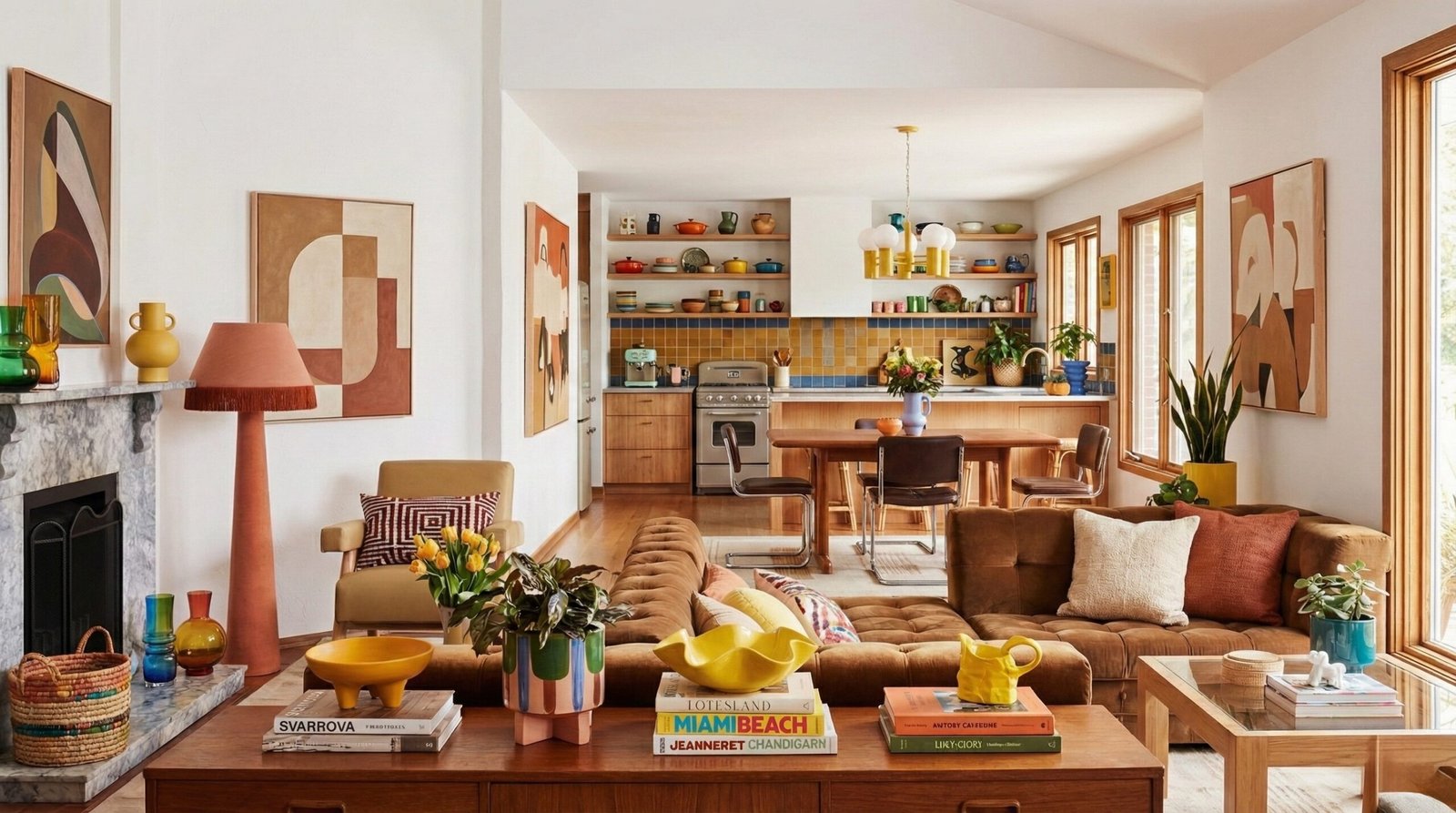
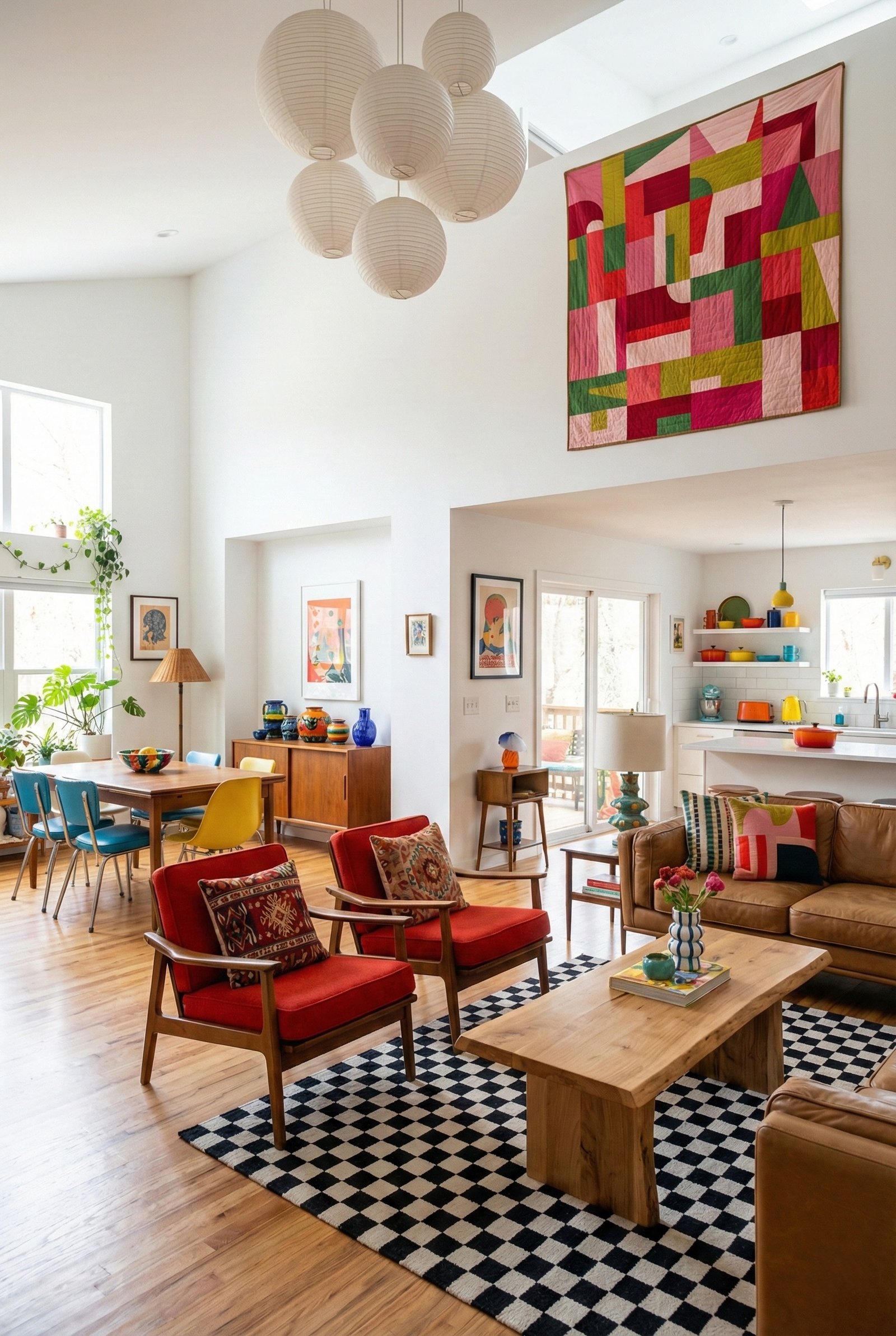
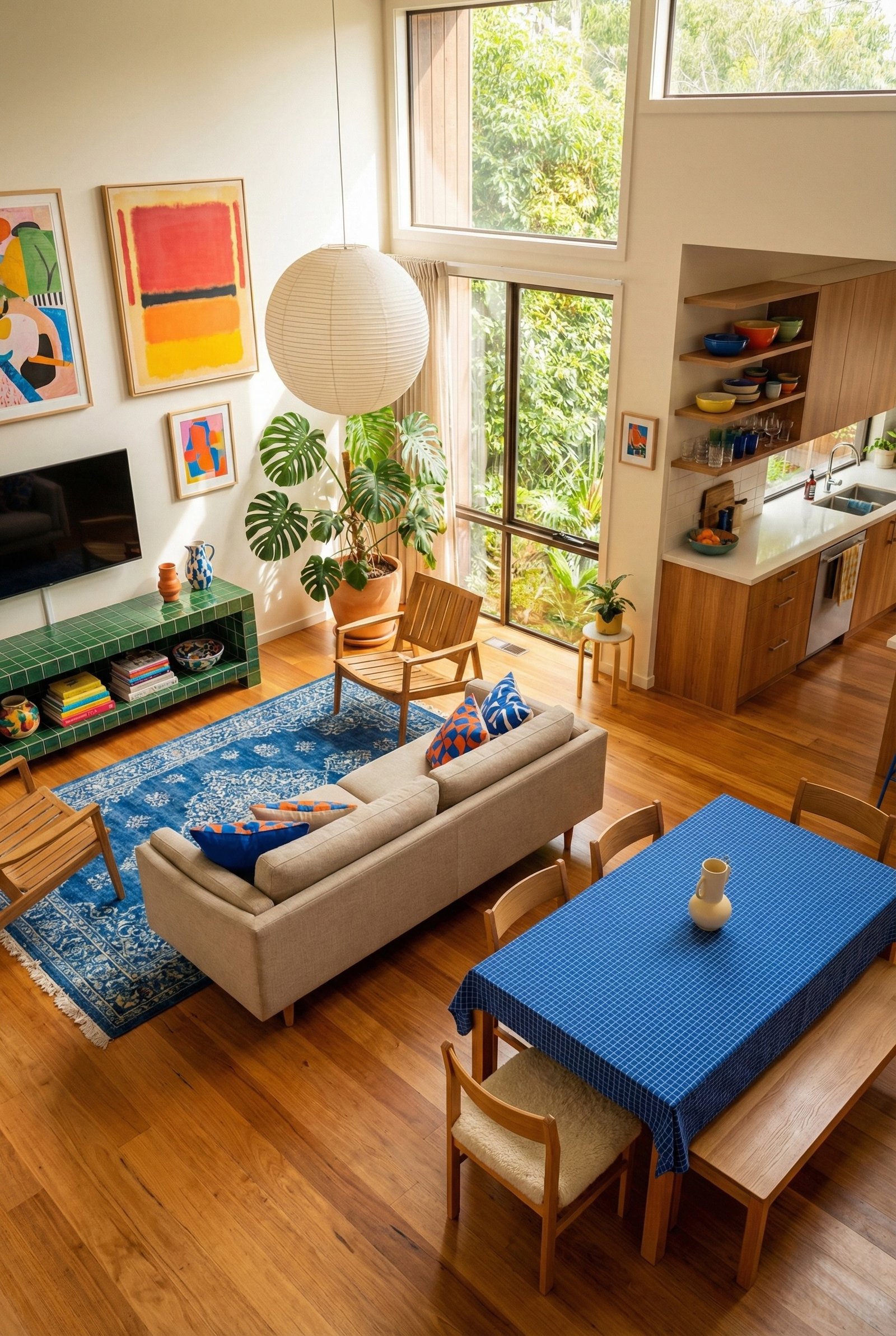
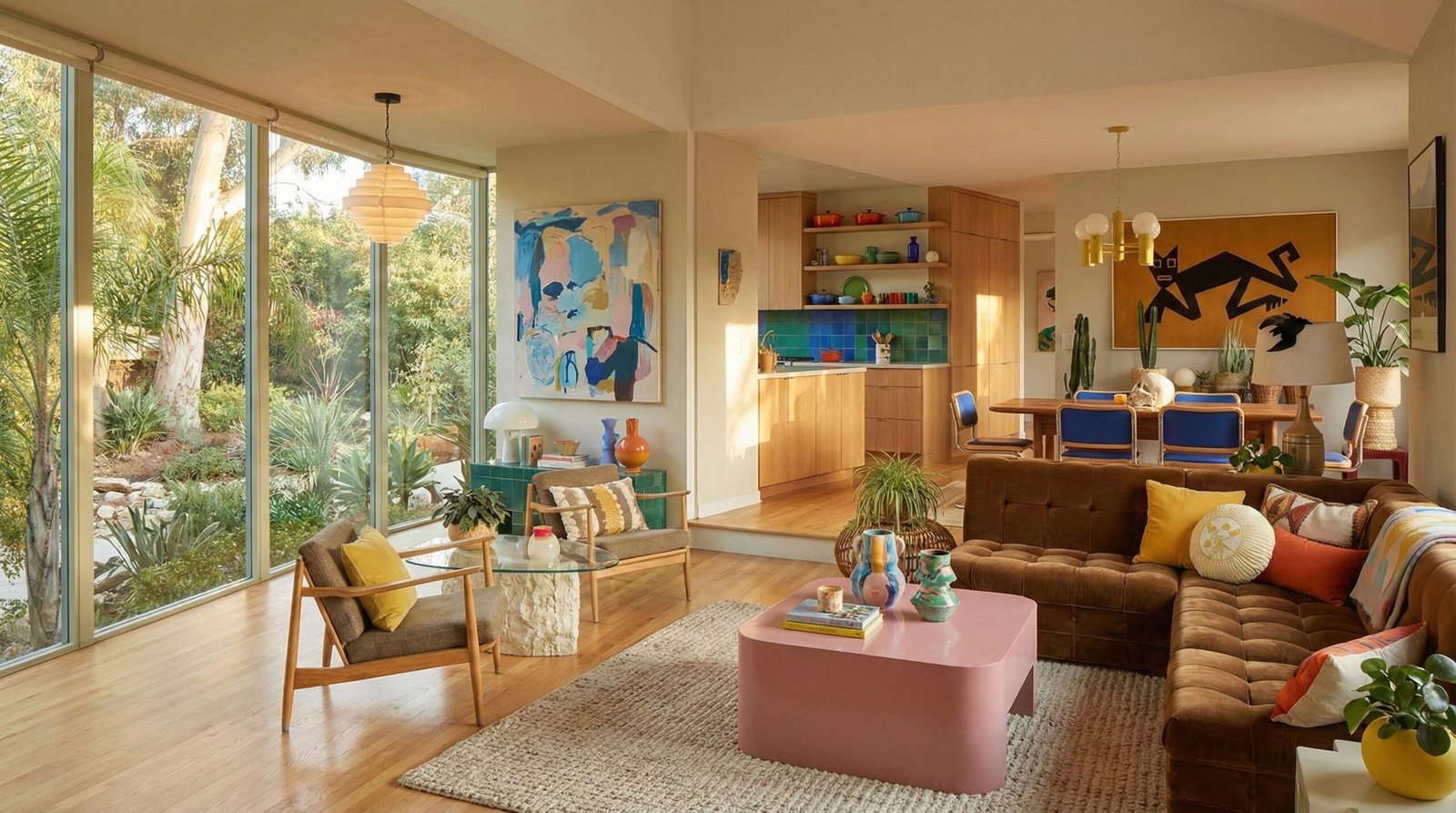
Adding colour to your home doesn’t have to mean repainting walls or committing to bold furniture that feels risky. Often, the most impactful colour comes from accent pieces and decorative objects. These are the quiet scene-stealers. They slip personality into a space, spark interest, and make a room feel layered and lived-in without ever shouting for attention.

The beauty of accent pieces is flexibility. They let you experiment. You can change your mind, move things around, or swap them out seasonally. Colour becomes something playful rather than permanent, something that evolves with you.

Let One Piece Lead the Conversation

Every well-designed room benefits from a focal point. When colour is involved, this becomes even more important. Instead of scattering bright elements everywhere, choose one accent piece to carry the colour story. This could be a sculptural armchair, a painted side table, a bold rug, or even a vintage cabinet with character baked into its finish.

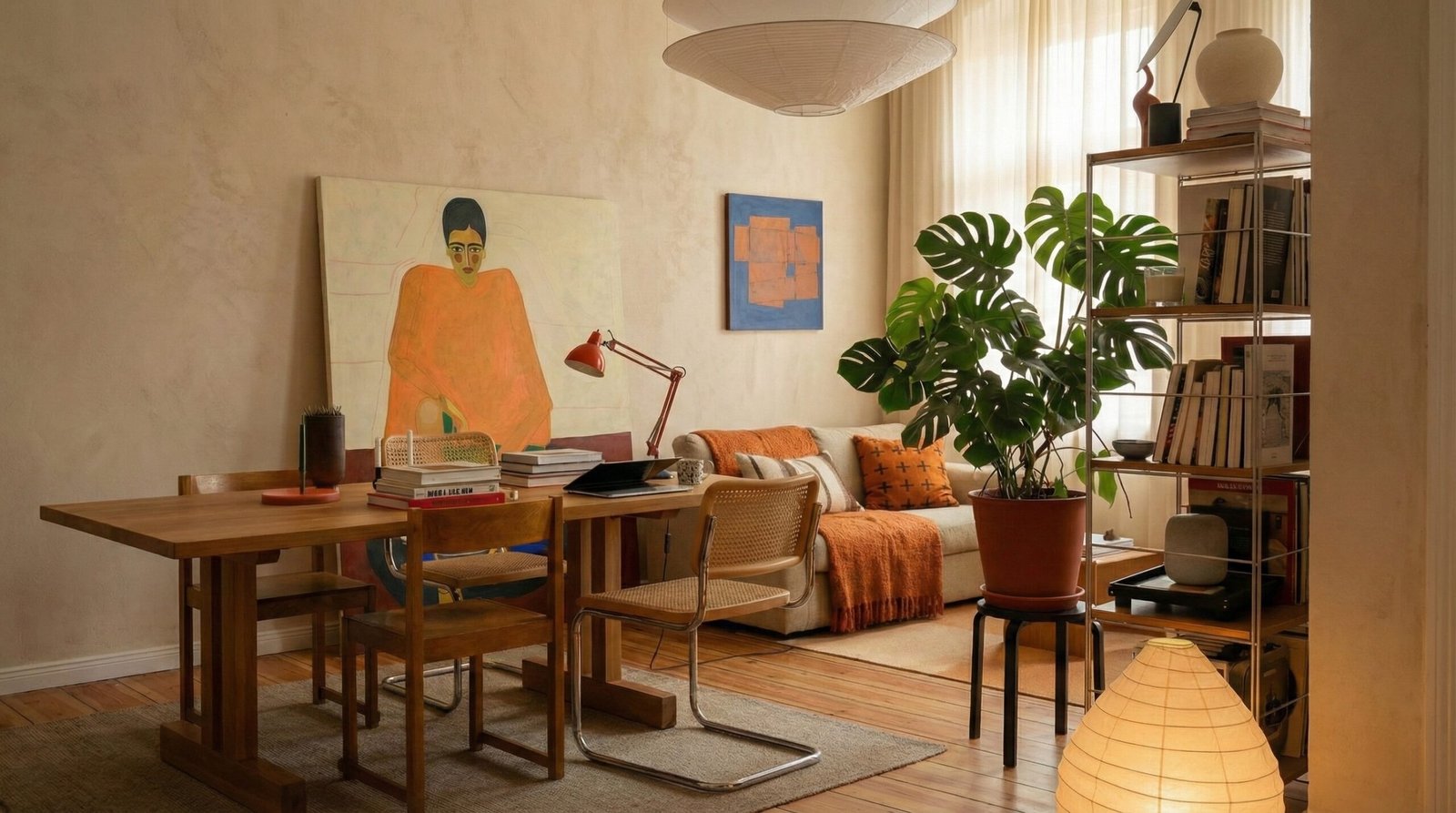
When one piece leads, everything else can support it quietly. A deep olive chair might be echoed subtly in a cushion trim or artwork nearby. A rust-toned rug can warm up timber furniture and neutral walls without competing with them. The room feels intentional because the colour has a home, not because it’s everywhere.

color2
color3

This approach works especially well in neutral spaces. White, beige, grey, and soft taupe interiors act like open air. A single coloured piece placed thoughtfully feels deliberate, almost curated, rather than decorative for decoration’s sake.

Colour Feels Different Depending on What It’s Made Of

Not all colour behaves the same way. A glossy red ceramic vase feels bold and energetic, while the same red in washed linen feels soft and grounded. Material matters just as much as hue.

I once swapped a bright blue painted lamp for a blue glass one in the same room. Same colour family, similar size, completely different effect. The glass caught the light and softened the tone. Suddenly the colour felt like part of the atmosphere rather than an object sitting in it.

color4

This is why accent pieces work so well for colour experimentation. You can introduce strong hues through materials that naturally temper them. Stone, timber, linen, clay, and aged metals all add complexity. They make colour feel grown-up, even when it’s playful.

Decorative Objects and the Stories They Carry

Some of the most meaningful colour in a home comes from objects that weren’t chosen for a colour scheme at all. A bowl bought at a local market. A framed print from a gallery visit you still remember clearly. A stack of books that just happens to lean warm or cool.

I once noticed that every colourful object in my own living space had a story attached to it. A burnt orange vase from a weekend away. A pale blue dish inherited from a relative. None of them were chosen to match each other, yet together they felt cohesive. The shared thread wasn’t colour. It was intention.

Decorative pieces like ceramics, glassware, trays, candles, and small sculptures allow colour to enter your home in human-sized doses. They don’t demand commitment. They invite curiosity. And because they’re small, they can move. A vase that feels too loud on a shelf might feel perfect on a dining table. A colourful object that overwhelms one room might quietly elevate another.
gemini generated image p06w6zp06w6zp06w

The Quiet Confidence of Editing

Adding colour is only half the equation. Knowing when to stop is the other half, and it’s the harder one.

There’s a moment in styling when things feel exciting but slightly crowded. That’s usually the point where removing something creates more impact than adding another piece. Colour needs space to breathe.

I once helped someone restyle a console table that held at least fifteen objects, many of them colourful. When we removed all but five, each remaining piece suddenly felt important. The colours popped more. The table felt calmer. Nothing new was added. The room improved anyway.

Negative space isn’t empty. It’s intentional pause. It allows colourful pieces to feel confident rather than busy.

Let Colour Repeat, Not Multiply

A home doesn’t need a rigid palette, but it benefits from gentle echoes. When a colour appears once, it can feel accidental. When it appears twice or three times, it feels considered.

This repetition doesn’t need to be obvious. A rust-toned cushion might quietly relate to a clay bowl in another room. A green artwork might connect to a plant pot elsewhere. These small repetitions create flow without forcing uniformity.

Often, this happens naturally when you choose things you genuinely like. Over time, preferences reveal themselves. The key is noticing them and letting them guide you, rather than starting from scratch every time you buy something new.

Colour Without Pressure

The most reassuring thing about accent pieces and decorative objects is that they remove pressure. You’re not committing to a trend or a bold decision that has to last forever. You’re simply trying something.

And if it doesn’t work, that’s fine. It moves, it changes, it leaves. The room survives.

Some of the most beautiful interiors aren’t the ones with the boldest colour schemes. They’re the ones where colour feels personal, layered, and quietly confident. Where each piece has a reason for being there, even if that reason is simply “I loved it.”

Sometimes colour doesn’t need to announce itself. Sometimes it just needs to sit comfortably in the room, doing what it does best.